Sell High, Buy Smart: How Timing Your Gear Sales Funds Your Next Season
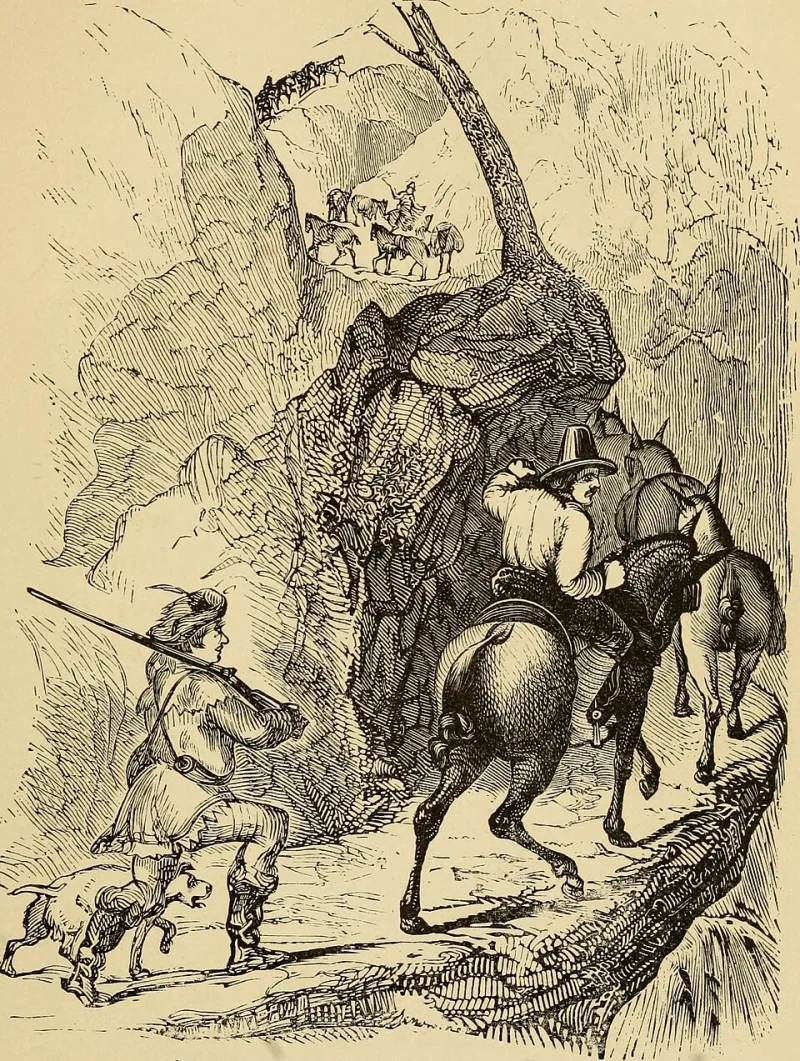
Photo: Internet Archive Book Images, No restrictions, via Wikimedia Commons
Most hunters think about deals from one direction: find cheap gear, buy it, done. But the real pros in this space play both sides of the transaction. They sell old equipment at peak demand, pocket the difference, and walk into the next season with fresh gear at a fraction of retail. It's not complicated — it's just timing.
If you've got a closet full of camo that no longer fits your hunting style, a rifle scope that got upgraded, or a tree stand you haven't touched in two years, you're sitting on a budget. You just haven't unlocked it yet.
The Demand Calendar Is Your Best Friend
Used hunting gear doesn't hold the same value year-round. Demand spikes hard in the weeks before major seasons open, and it craters just as fast once those seasons close. That's your window.
For whitetail hunters, the sweet spot to sell is late August through mid-September — right when folks are realizing they need to upgrade before opening day and they don't want to wait on shipping from a big retailer. Turkey gear? Push it in March. Waterfowl stuff moves best in October. If you're sitting on elk or mule deer equipment, late July through August is prime.
The logic is simple: buyers are emotionally primed to spend when a season is approaching. They're excited, they're planning, and they're willing to pay closer to full price than they would in the off-season. That urgency works in your favor as a seller.
On the flip side, the best time to buy used gear is in the dead of off-season — January and February for most hunters. Sellers are motivated, competition among buyers is low, and prices reflect it. Sell high in pre-season. Buy low in the lull. Rinse and repeat.
Platform Wars: Where You List Makes a Massive Difference
Not all resale platforms are created equal, and the wrong choice can cost you 20 to 30 percent on a sale.
Facebook Marketplace is the workhorse of local gear sales. It's free to list, there are no transaction fees, and you can move bulky items like tree stands, blinds, or decoy spreads without dealing with shipping logistics. The downside is you're limited to your local buyer pool, which matters a lot if you're in a rural area with fewer potential customers.
eBay opens you up to a national audience, and for high-value items — quality optics, premium rifles, name-brand rangefinders — that reach can translate into meaningfully higher sale prices. The fees sting (typically around 12-15% depending on category), but for a $400 scope, the math often still works in your favor. eBay buyers also tend to be more serious and less likely to ghost you.
Specialized hunting forums like ArcheryTalk, HuntTalk, and the classifieds sections of Sniper's Hide or various state hunting Facebook groups are underrated goldmines. The buyers there know exactly what gear is worth, which means less haggling from people who think your $250 binos are a $50 yard sale find. These communities also tend to have built-in trust mechanisms — reputation systems, feedback threads — that make high-dollar transactions smoother.
For maximum return, list on two or three platforms simultaneously and take it down once it sells. More eyeballs equal faster sales and better prices.
Pricing Psychology That Actually Works
Here's where a lot of casual sellers leave money on the table. They either price too high out of emotional attachment or too low because they just want it gone. Neither approach is strategic.
Start by searching your item on the platform you're listing on — look at completed sales, not just active listings. Active listings tell you what people are asking. Completed sales tell you what people are actually paying. That's the number that matters.
From there, price about 10 to 15 percent above where you'd actually accept an offer. Buyers love to negotiate, and giving them a small win keeps the deal alive. If you list at your floor, you've got nowhere to go when someone lowballs you.
Condition framing matters enormously. "Used — some wear" sounds like junk. "Lightly used — two seasons, always stored properly, no damage" sounds like a deal waiting to happen. You're not lying; you're giving buyers the context they need to feel confident. Include photos in good natural light, show any wear honestly, and mention original packaging if you still have it. Listings with complete information convert faster and attract less tire-kicking.
The Bundle Play
One underused tactic: bundle related gear together to increase perceived value and move multiple items at once. A tree stand, hang-on platform, and a set of sticks sells faster as a package than three separate listings — and you can price the bundle at a slight premium over what you'd get individually.
Buyers love the convenience of a one-stop purchase, especially when they're gearing up for a season and mentally in "just get it done" mode. It also reduces your transaction count, which matters on fee-heavy platforms.
Closing the Loop
The hunters who consistently gear up well without breaking the bank treat their equipment like a revolving fund. They buy thoughtfully, take care of what they own, sell before demand peaks, and reinvest strategically. It's not about being cheap — it's about being smart with money so more of it goes toward tags, travel, and the experiences that actually matter.
Your old gear has value. The question is whether you cash in at the right moment or let it collect dust until it's worth half what it could have been. The calendar is already running — might as well make it work for you.