Return to Sender, Discount to You: How Hunting Gear Liquidation Actually Works
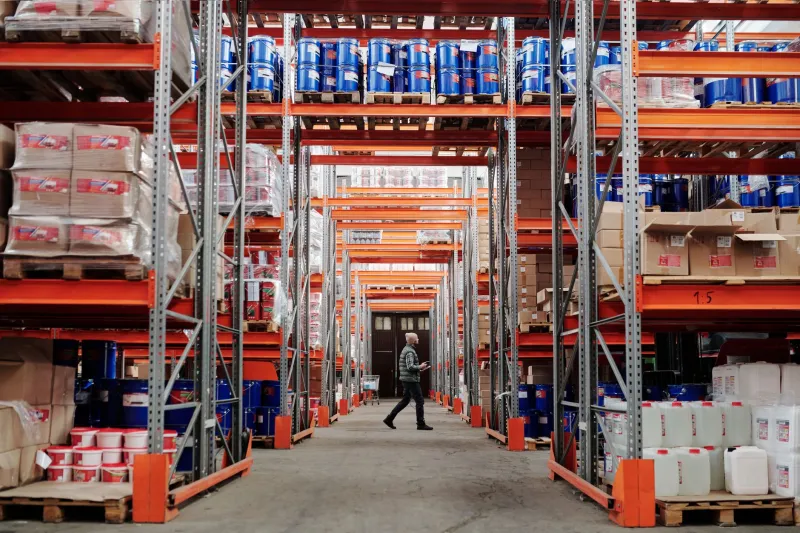
Somewhere in a massive warehouse outside Memphis, a pallet of returned hunting gear — rain jackets, rangefinders, tree stands, and a dozen half-assembled climbing harnesses — just got tagged with a price that's roughly 20 cents on the original retail dollar. Nobody put out a press release. There was no email blast. It just quietly moved into the liquidation pipeline, waiting for someone sharp enough to track it down.
That someone could be you. But first, you need to understand how the whole game works.
Why Retailers Can't Wait to Get Rid of Returns
Here's the dirty little secret big-box sporting goods stores don't advertise: processing a customer return often costs them nearly as much as the item is worth. Between restocking labor, inspection, repackaging, and shelf space, a $180 pair of insulated hunting boots that came back because the customer "changed their mind" might cost the retailer $40–$60 just to handle. That's before you factor in that the boots can't legally be resold as new.
So what do they do? They liquidate. Fast.
Retailers like Bass Pro Shops, Cabela's, REI, and Academy Sports all have established pipelines for moving returned merchandise. Some sell directly through their own clearance sections or outlet stores. Others offload pallets to third-party liquidators like B-Stock, Direct Liquidation, or BULQ, who then resell to smaller dealers or the general public. Either way, the original retailer just wants the inventory gone — which is exactly why the prices get so aggressive.
The economics are simple: a dollar recovered today beats a storage problem tomorrow.
What "Returned" Actually Means (And What It Doesn't)
This is where a lot of bargain hunters get tripped up. "Returned" is a broad category that covers an enormous range of conditions, and lumping them all together is a mistake.
On one end of the spectrum, you've got what the industry calls open-box returns — gear that was purchased, opened, never actually used, and sent back within the return window. A lot of this stuff is practically indistinguishable from new. On the other end, you've got gear that went on a three-day elk hunt before the buyer decided it wasn't for them. That's a very different animal.
Here's a rough breakdown of what you might actually find:
- Open-box, unused: Packaging may be damaged or missing, but the product itself is clean. Often the best value in the returns market.
- Used but functional: Shows wear, may have minor cosmetic issues, but performs as intended. Priced accordingly.
- Damaged/defective returns: Returned because something actually broke or malfunctioned. These require careful inspection — more on that in a minute.
- Incomplete returns: Missing components, accessories, or documentation. Sometimes fine, sometimes a dealbreaker depending on the item.
When you're shopping liquidation sales, always ask which category you're dealing with. A reputable seller will tell you straight. If they're vague or evasive, that's your first red flag.
Red Flags That Should Make You Walk Away
Not every discounted return is a diamond in the rough. Some of them are genuinely junk, and experienced deal hunters know how to separate the two.
On optics and electronics: Check for fogging inside lenses, cracked housing, and loose battery compartments. A rangefinder with internal moisture damage is not a bargain at any price. Power it on before you buy — non-negotiable.
On tree stands and safety harnesses: This is the one category where we'd urge serious caution. Safety-rated climbing equipment has strict load tolerances, and you have no way of knowing how a returned harness was used or whether it took a fall. Missing inspection tags or frayed webbing are instant disqualifiers. The discount isn't worth the risk.
On firearms accessories: Returned scopes, bipods, and mounts should be inspected for stripped threads, cracked rails, and damaged turrets. A scope that was improperly mounted and returned might look fine but have internal reticle damage that only shows up downrange.
On layering and rain gear: Check seams and zippers carefully. Delaminated waterproof membranes and broken YKK zippers are common reasons gear gets returned, and they're expensive to fix.
General rule: if the seller won't let you inspect the item hands-on before purchase, walk.
Where the Best Return-Liquidation Deals Actually Live
So where do you find this stuff? A few proven hunting grounds:
REI's Used Gear program is one of the most transparent in the business. They grade returned and used items clearly, photograph actual condition, and stand behind what they sell with a satisfaction guarantee. Prices are competitive without being jaw-dropping, but the reliability factor is high.
Cabela's and Bass Pro Shops outlet sections — both in-store and online — regularly feature returned merchandise at 30–60% off. The in-store experience is better here because you can physically handle the gear before committing.
B-Stock and Direct Liquidation cater more to resellers buying in bulk, but individual buyers can participate in auctions too. The learning curve is steeper, and you need to know what you're looking at, but the prices can be genuinely extraordinary — sometimes 70–80% below MSRP on pallets of mixed hunting gear.
Facebook Marketplace and OfferUp are underrated for this. Plenty of people buy hunting gear, return it, get a refund, and then flip the item locally for extra cash. You're essentially buying a return from a private seller, often at prices that beat any retail liquidation channel.
How to Negotiate Even Lower on Already-Discounted Gear
Here's something most shoppers don't realize: the price on a liquidation tag is rarely the final price. Especially in physical stores and at local dealers who bought returned pallets wholesale.
The key is timing and framing. If you spot a returned item with visible cosmetic damage — a scratch on a rifle scope housing, a scuff on a boot toe — point it out matter-of-factly, not aggressively. Something like, "I'm interested, but this scratch is going to bother me. Is there any flexibility on the price?" works far better than demanding a discount.
End-of-month is also your friend. Smaller dealers who bought liquidation pallets often have monthly inventory targets. Walking in during the last week of the month — or the last few days before a major hunting season opens — puts time pressure on their side, not yours.
Bundle offers work too. If a dealer has three returned items you're interested in, make an offer on the lot. Moving multiple pieces at once is more attractive to a seller than haggling over a single unit.
The Bottom Line
The returned merchandise market in hunting and outdoor retail is a genuinely underserved opportunity for shoppers willing to do a little homework. Retailers want these items gone, liquidators want to turn inventory quickly, and that urgency flows straight into the price tags you'll find if you know where to look.
Just go in with eyes open. Know what condition you're buying, inspect before you commit, skip anything safety-critical that you can't verify, and don't be shy about asking for a better price. The hunters who score the best deals in this market aren't lucky — they're just paying attention while everyone else walks past.