What's Behind the Door: How to Score Deeply Discounted Gear Hiding in Store Backrooms
Every hunter knows the feeling of walking a store floor and sensing something's off. The display looks thin. A certain item is listed online but nowhere on the shelf. An employee wheels a cart of unmarked boxes through a door you're not supposed to notice. What's back there? More often than you'd think — it's gear. Lots of it. And some of it can be yours for a price that would make your hunting buddy's jaw drop.
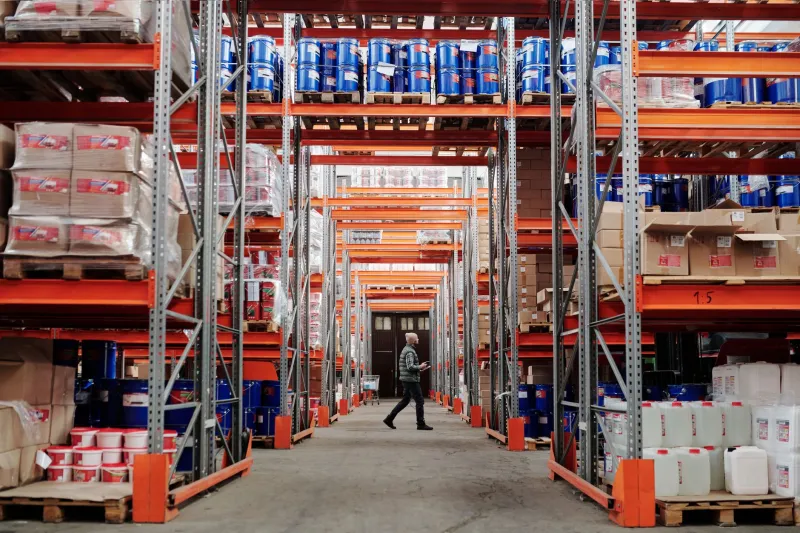
This is what deal veterans call ghost inventory: merchandise that exists in a store's system but isn't actively being sold. It's sitting on metal shelving units in climate-controlled (or not so climate-controlled) backrooms, stacked in regional distribution centers, or logged in a computer somewhere waiting for someone to ask about it. The retailers aren't exactly hiding it on purpose — they're just not advertising it either. That's where you come in.
Why Ghost Inventory Exists in the First Place
Understanding the "why" gives you leverage. Retailers over-order constantly. A hunting goods buyer at a regional chain might have stocked up on a specific boot model expecting a strong fall season, only to get undercut by a competitor's promotion or a warm October that kept hunters off the trails. Now those boots are in the back, and the store doesn't want to mark them down on the floor because it messes with their pricing strategy for similar items still selling at full margin.
Other times, inventory gets stranded when a product line gets discontinued or replaced by a newer version. The old units aren't defective — they're just inconvenient. Add to that the reality that big-box sporting goods stores like Bass Pro Shops, Sportsman's Warehouse, and Cabela's manage enormous SKU counts across multiple locations. Items fall through the cracks of inventory systems all the time, sitting uncounted and unloved until someone asks.
The Art of Asking the Right Way
You can't just roll up to the gun counter and say "what do you have in the back?" That'll get you a blank stare at best, a polite brush-off at worst. You need to be specific, friendly, and give the employee a reason to actually go look.
Start with a product you already know about — something you've spotted online or seen listed as "in-store only" on the retailer's website. Approach a floor associate and say something like: "Hey, I'm looking for [specific item], I know you had it in stock a few weeks back. Any chance you've got any units that didn't make it to the floor yet?" That framing signals you're a serious buyer, not a browser. It also gives the employee a logical reason to check the system without feeling like you're asking them to do something weird.
Being friendly and genuinely curious goes a long way. These folks deal with demanding customers all day. A hunter who treats them like a person — not a vending machine — is going to get a lot more effort in return.
Decoding the Inventory System
Many large sporting goods retailers use inventory management software that floor associates can access from a handheld scanner or a terminal near the stockroom. If an associate is willing to look you up, ask them to check for "on-hand" quantities that aren't reflected on the shelf. There's often a column in these systems for backroom quantity, in-transit inventory, or "overstock" that's separate from what's physically on display.
Some stores also have what's called a "planogram hold" — items that are physically in the building but being held back until a floor display changes or a seasonal section resets. Those items are technically available; they just haven't been released yet. Knowing this language and dropping it casually in conversation signals that you're not some rookie. It shows you understand how retail works, which makes associates more likely to engage seriously.
If you're shopping at a local or regional hunting shop rather than a national chain, the backroom situation is even more accessible. Smaller shops often don't have the staff to process and price everything in real time. A polite conversation with the owner or manager — especially on a slow weekday morning — can open up a whole world of unmarked merchandise that's been sitting in a corner for months.
Negotiating Prices on Items That Aren't "For Sale" Yet
Here's where it gets interesting. If a product hasn't been priced or shelved, there's often flexibility on what you'll actually pay. The store hasn't committed to a retail price point for that specific unit yet — especially if it's overstock or a discontinued item. That's your window.
Once an associate confirms they have something in the back, ask directly: "Since it's not on the floor yet, is there any flexibility on the price?" You're not haggling aggressively — you're just opening a door. At smaller shops, the person you're talking to might be the one who sets prices. At larger chains, they may need to loop in a department manager, which is totally fine. Ask for the manager by name if you've built any rapport with the associate.
A few tactics that work well in this moment:
- Reference a competitor's price. If a rival store has the item cheaper online, mention it. Many retailers have price-match policies that extend to backroom items.
- Offer to take it as-is. If the item has minor cosmetic damage from being stored, offer a lower price in exchange for buying it without a return option. This removes risk for the store.
- Ask about bundling. If the store has multiple units of something in the back, offer to take two or three at a discounted rate. Moving volume on stuck inventory is often more appealing than squeezing margin on a single unit.
Timing Your Backroom Hunt
Not all times are equal when it comes to ghost inventory. The best windows tend to be:
- Mid-week mornings — lower customer traffic means associates have more time to help you, and managers are more relaxed.
- End of a retail quarter — stores are motivated to move inventory off the books before financial reporting periods.
- Just after a major sale event — post-Black Friday and post-Labor Day are goldmines. Stores have processed massive shipments and often have overflow that didn't make it to the floor during the rush.
- Early in a new season — when winter gear is coming in, fall items get pushed to the back fast. That's your signal to ask.
Build Relationships That Pay Off Repeatedly
The hunters who consistently score the best backroom deals aren't lucky — they're loyal. They shop the same stores, learn the staff by name, and make it known that they're serious buyers who move quickly when the right deal appears. Associates and managers remember that. When something interesting shows up in the back — a discontinued rifle scope, an overstock of high-end layering pieces, a returned item that tests out perfectly — they'll think of you first.
Leave your number with a manager at your go-to store. Tell them what you're looking for. That five-minute conversation could pay dividends for years.
Ghost inventory is out there in every sporting goods store in America. The gear exists. The deals are real. All it takes is the right approach, a little patience, and the confidence to ask what's behind the door.