Skip the Marketplace: Why the Best Used Gear Deals Live in Hunting Groups Nobody Publicizes
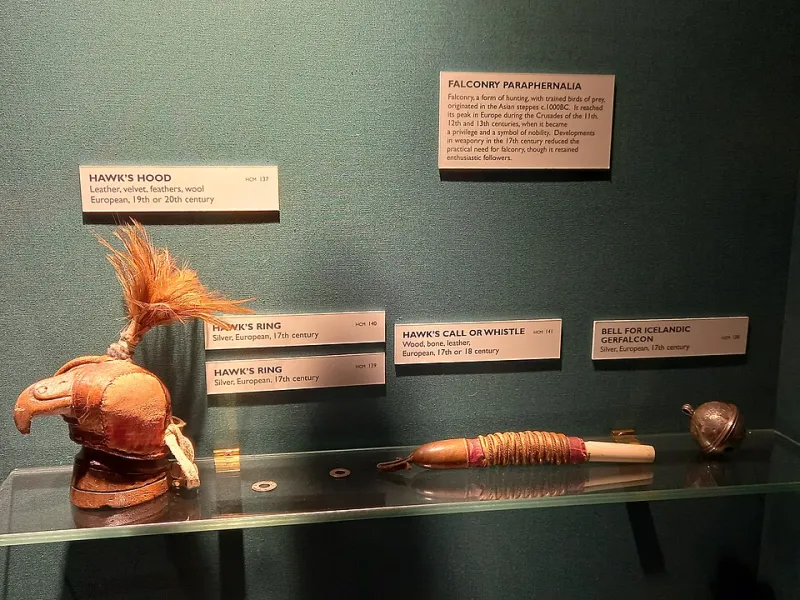
Photo: Sheila1988, CC BY-SA 4.0, via Wikimedia Commons
I'll say the quiet part loud: Facebook Marketplace is where good deals go to die. By the time a used tree stand or a set of binoculars hits a public marketplace, it's been priced against national listings, listed by someone who "knows what they got," and buried under drop-shippers selling new-in-box junk at fake discounts.
The actual bargains? They trade hands quietly, inside hunting communities, often before the general public ever knows the gear is for sale. And in my opinion, if you're not plugged into those channels, you're hunting the wrong woods.
Why the Insiders Win
Think about who's in a county-level hunting group or a state game warden's swap page. These are people who already own too much gear, upgrade compulsively, and would rather sell a rifle scope to a guy they've shared a lease with than deal with a stranger lowballing them online.
That means:
- Prices are set to move, not to negotiate from. A guy posting a $200 bow in a hunting group for $120 usually means $120. He's not anchoring; he's clearing space.
- The gear is actually what it says it is. Hunters know hunters will show up at their door. Exaggerated listings have social consequences in a community of 800 people who all know each other.
- The best stuff never gets listed publicly at all. Deals get claimed in the comments within an hour, often by people who saw the post at 6 a.m. over coffee.
Where to Look
State and regional hunting Facebook groups. Not the 100,000-member meme pages — the smaller, local ones where people actually post. Search your state name plus "hunting swap" or "hunters buy sell trade."
Game warden and conservation officer pages. In many states, wardens run or moderate swap pages where confiscated, donated, or community gear changes hands cheap. These are criminally underused.
Old-school forums. Sites like Realtree's forums, state-specific hunting forums, and even Reddit's r/GunAccessoriesForSale-adjacent communities have long-standing trade cultures with feedback systems. Slower, but the prices are often absurd because members aren't in it for profit.
Club and range bulletin boards. Digital and literal. The $50 deal on a used ground blind is usually taped to a wall somewhere, not posted online.
Reading a Seller in 60 Seconds
Before you pounce, check three things:
- Post history. A seller who's been active in the group for years, posting trail cam photos and season reports, is low-risk. An account created last month with only sale posts is a pass.
- How they describe the gear. "Shot maybe 40 rounds, has a few scratches on the mount" is a trustworthy level of detail. "Great condition, barely used" tells you nothing.
- Whether they answer questions. Responsive sellers in the comments are the ones who'll actually meet you halfway on pickup and stand behind the sale.
Timing the Feed
Just like retail, the used gear market has seasons. The two weeks after your state's season closes is prime time — guys who had a rough season are selling in frustration, and guys who had a great season are upgrading. Either way, supply spikes. January and February are similarly rich, when gear bought on optimism gets sold on regret.
Set your notifications, check the group before work, and be ready to send a polite, direct message fast. "I'll take it, can meet tonight" beats a paragraph of questions every single time.
The Bottom Line
Public marketplaces are built to extract maximum price. Hunting communities are built on relationships — and relationships come with fair prices, honest descriptions, and the occasional thrown-in box of arrows. Get embedded in your local hunting circles now, before the post-season flood, and you'll wonder why you ever scrolled Marketplace at all.